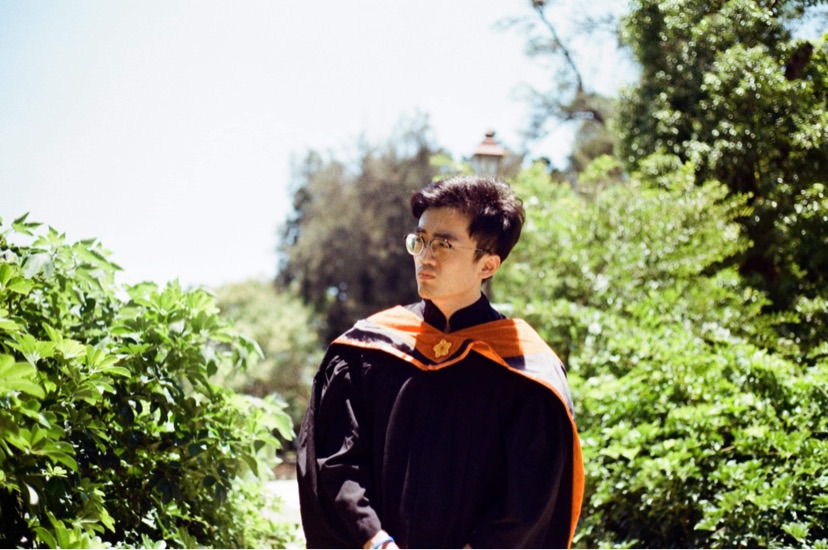
Tsung-Han Lu
What's New 🔥
- 2025/08: Passed the preliminary exam.
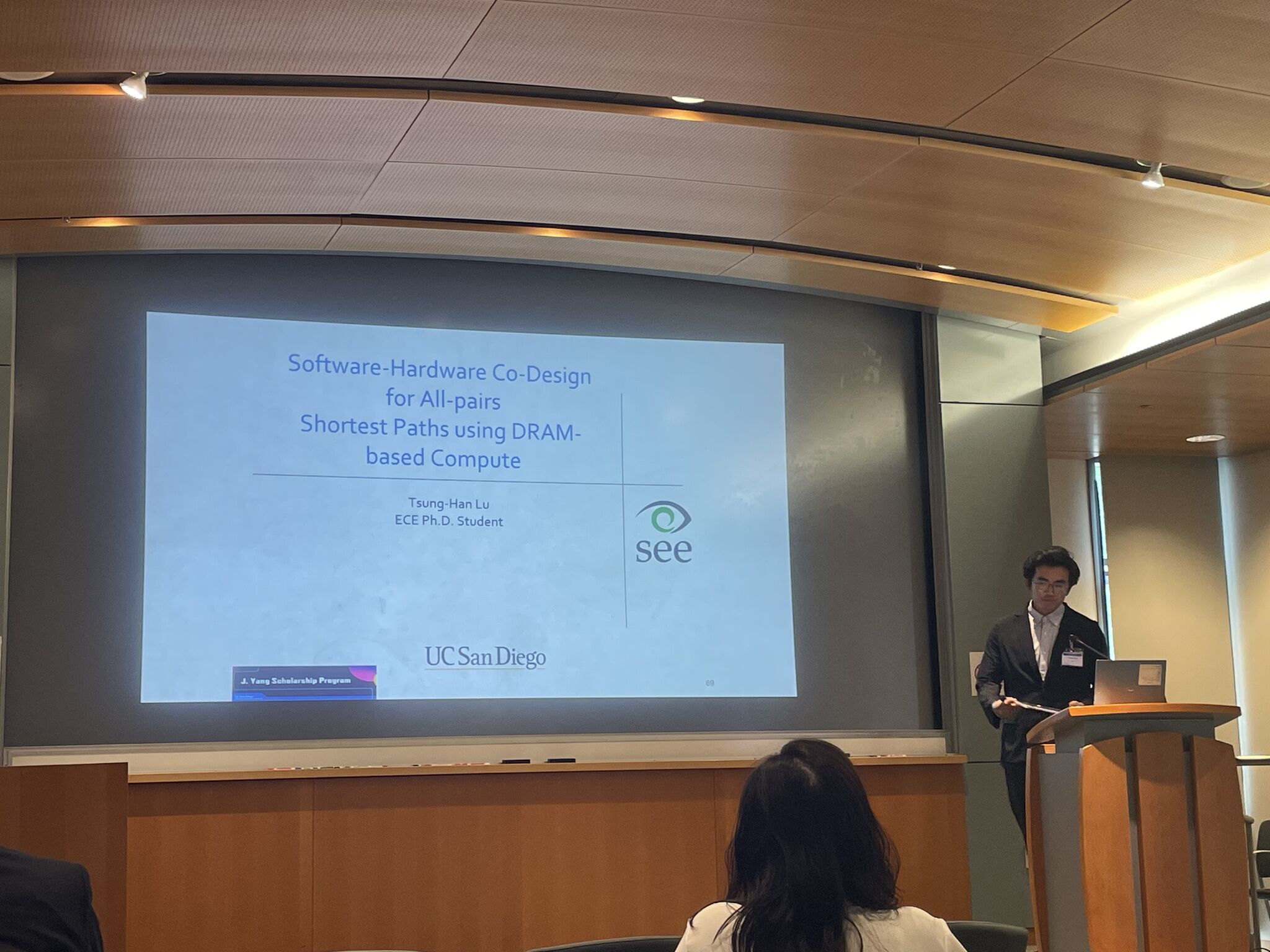
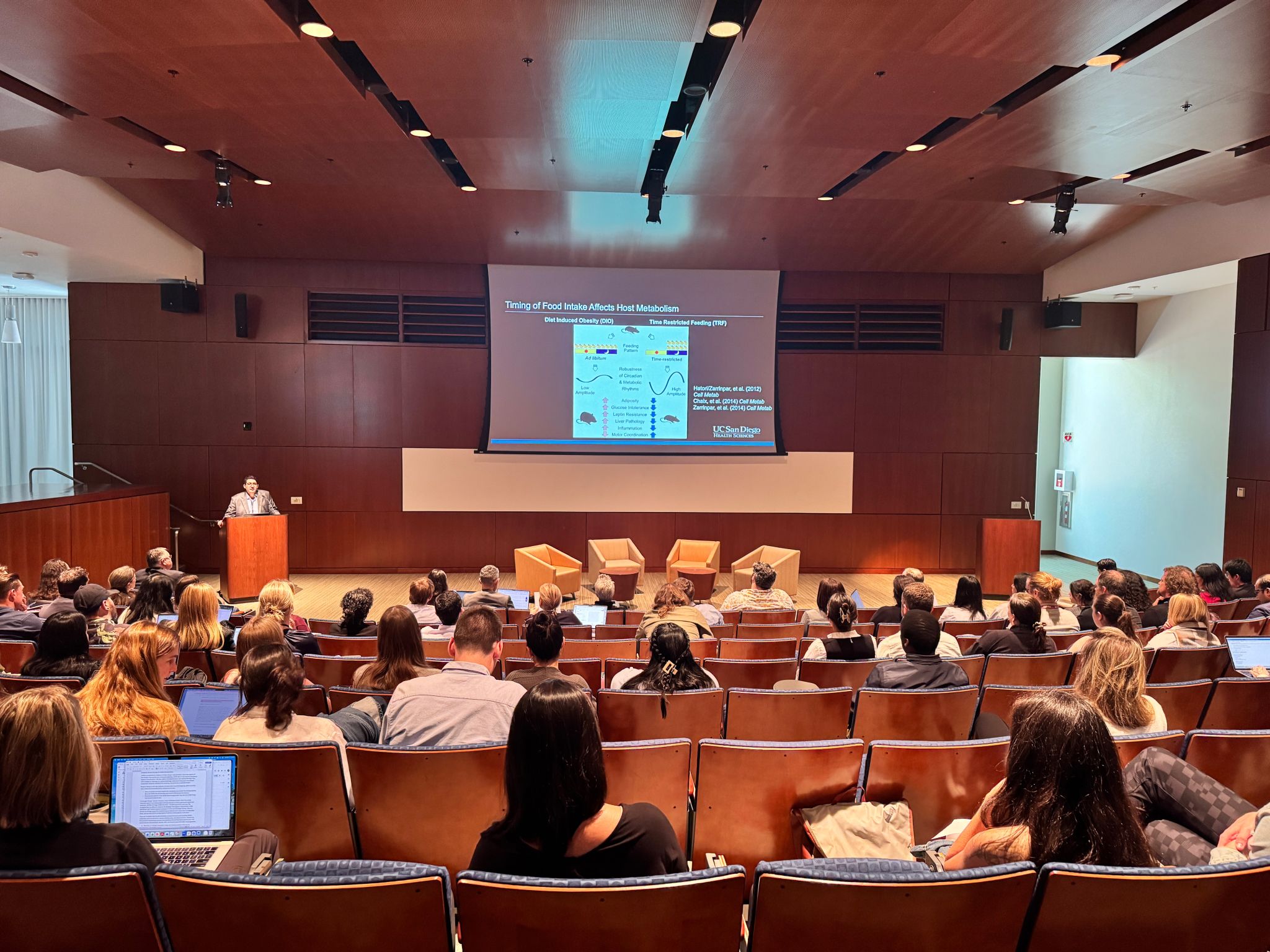
- 2025/09: Gave a speech as a J. Yang Scholar.
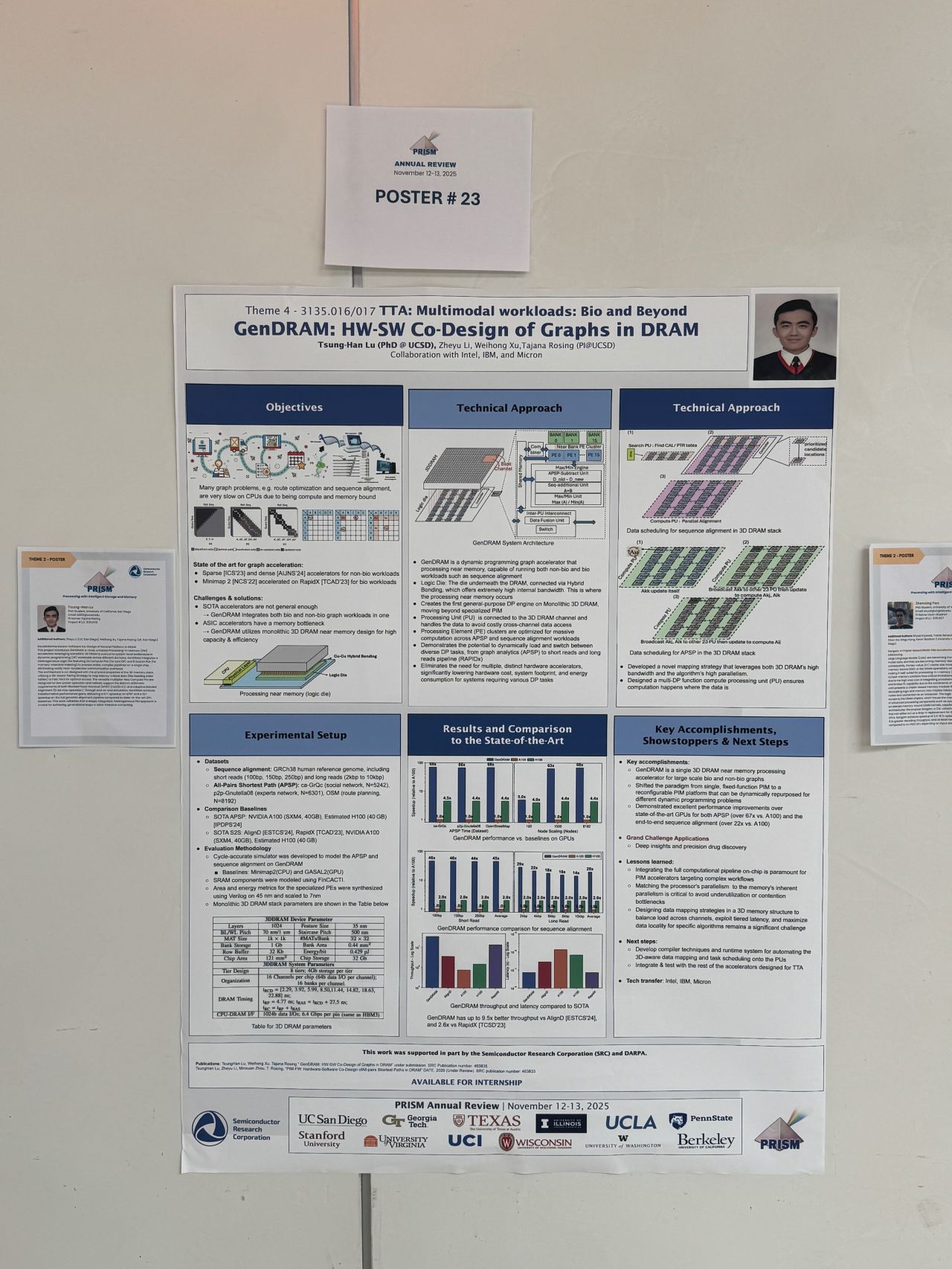
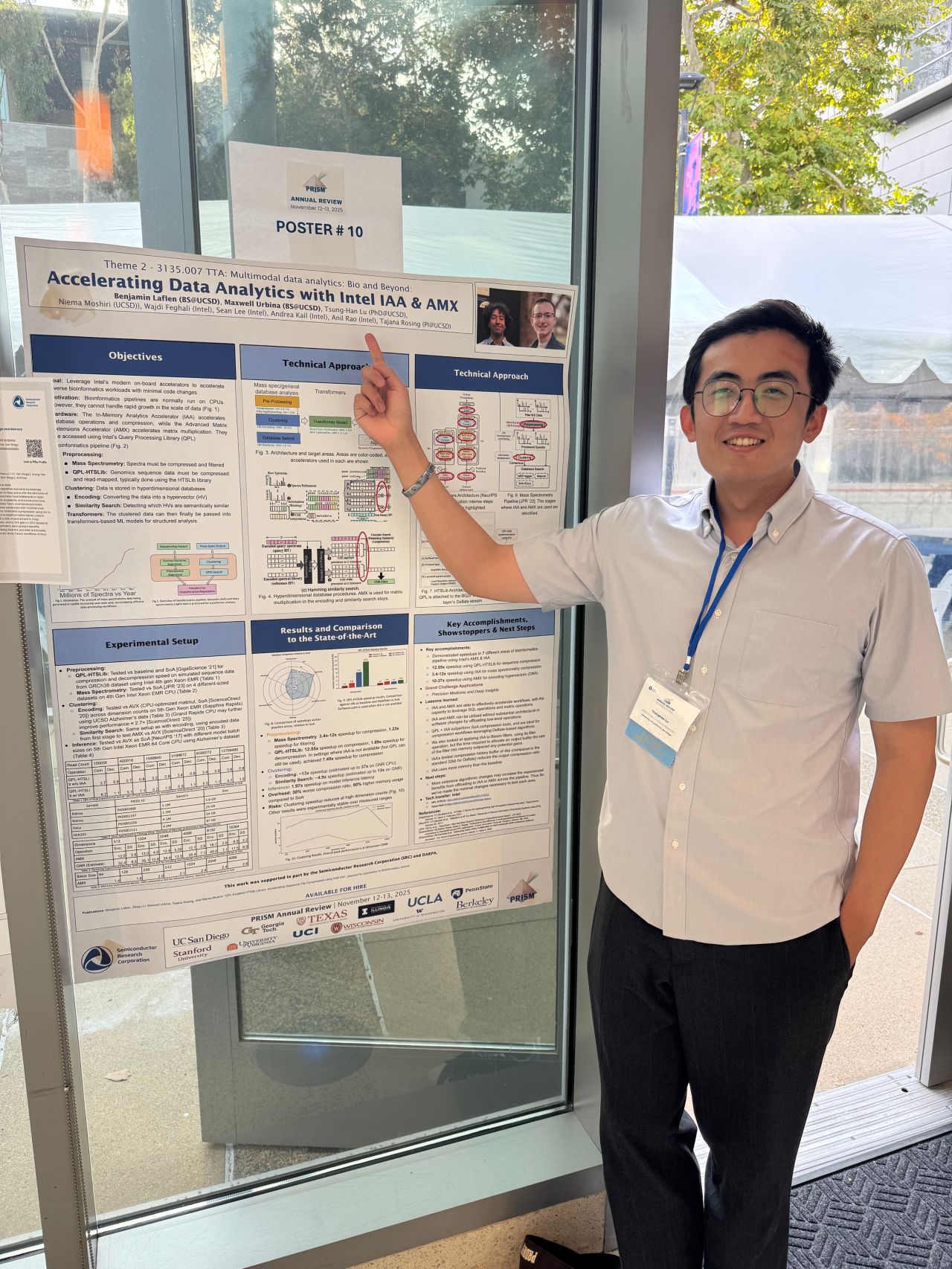
- 2025/12: PRISM conference presentation.
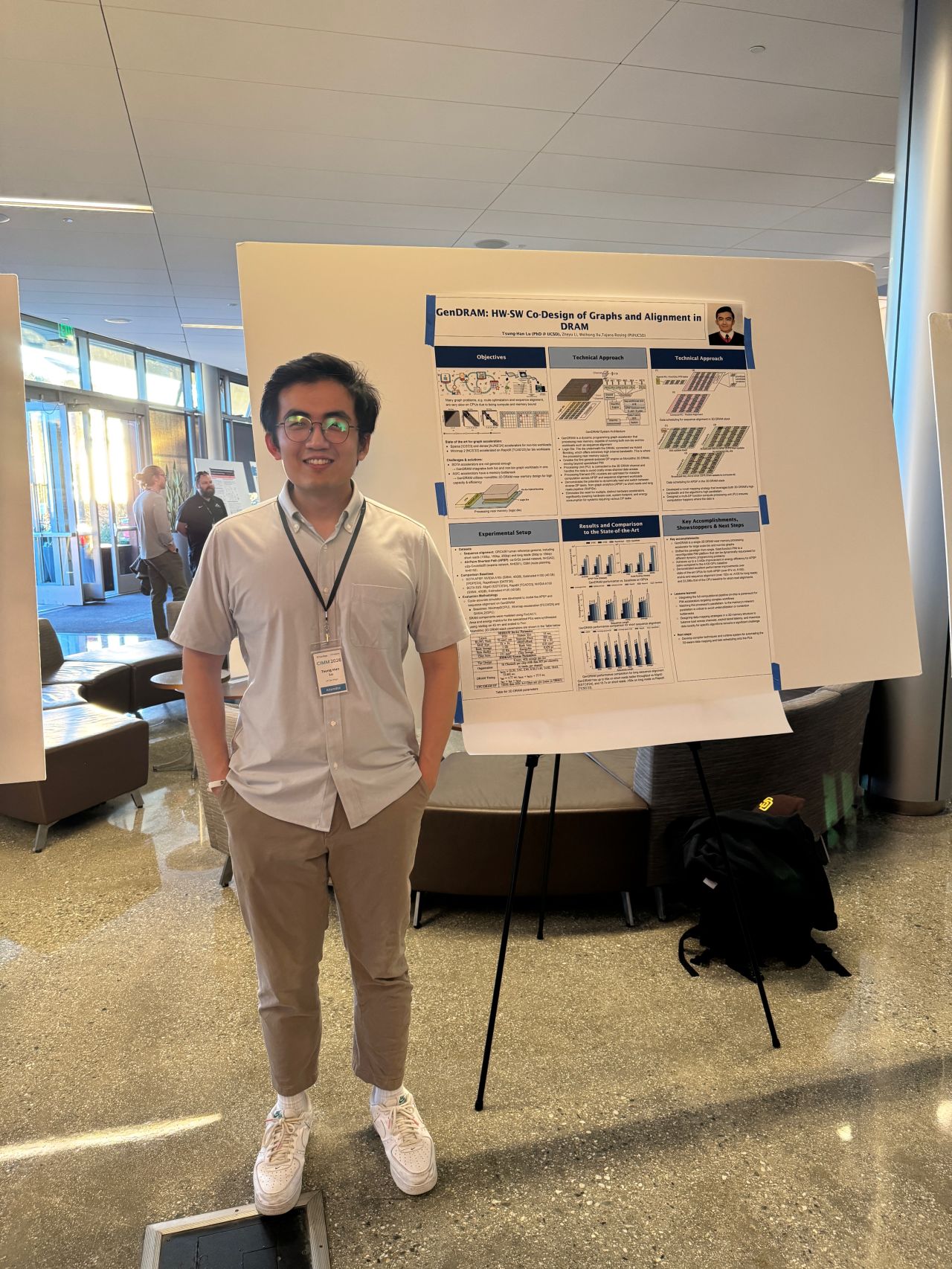
- 2026/03: CIMM conference presentation.
- Current: Exploring hardware acceleration for computational biology, machine learning systems, and processing-in-memory architectures.
- Recent: PIM-FW: Hardware-Software Co-Design of All-pairs Shortest Paths in DRAM accepted by GLSVLSI’26.
About Me
Tsung-Han Lu is a Ph.D. researcher in Electrical and Computer Engineering at the University of California, San Diego, advised by Professor Tajana S. Rosing in SeeLab. His research focuses on hardware-software co-design, Processing-in-Memory and Near-Memory Computing, and memory-centric acceleration for AI and bioinformatics workloads. He develops efficient computing architectures that reduce data movement and improve the performance and energy efficiency of algorithms such as Transformer models, genomic alignment, multi-omics clustering, and database search.
Before joining UC San Diego, Tsung-Han worked as an R&D Process Engineer at Taiwan Semiconductor Manufacturing Company (TSMC), where he contributed to advanced semiconductor manufacturing for N3/N3B and N2 technology nodes. He also received his M.S. degree from National Tsing Hua University, where his research focused on microfluidic systems and biomedical diagnostics. During his master’s research, he developed an integrated microfluidic platform for cholangiocarcinoma diagnosis from clinical bile juice samples using specific affinity probes, contributing to publications in Sensors and Actuators B: Chemical and IEEE-NEMS.
His experience spans VLSI design, 3D-stacked DRAM-based acceleration, digital circuit implementation, machine learning, semiconductor process optimization, and biomedical sensing. By combining expertise in hardware architecture, memory systems, and computational biology, his work aims to build next-generation efficient computing platforms for data-intensive scientific and AI applications.
Research Interests
My research sits at the intersection of computer architecture, hardware acceleration, and emerging computational workloads:
Core Areas
- Computer Architecture & Hardware Acceleration: Designing efficient accelerators for memory-intensive and compute-intensive workloads
- Processing-in-Memory (PIM) & Emerging Memory Technologies: Exploring 3D DRAM, FeRAM (Ferroelectric RAM), and FeNAND for novel computing paradigms
- Bioinformatics & Multi-omics Acceleration: Hardware solutions for genomics, proteomics, and metabolomics data analysis
- Machine Learning Systems: System-level implications of Mixture-of-Experts (MoE) models, sparse gating mechanisms, and intelligent routing algorithms
Current Focus
I’m particularly interested in developing hardware accelerators that leverage emerging memory technologies to accelerate bioinformatics applications. This involves understanding the unique computational patterns of genomic and proteomic analysis and co-designing hardware and algorithms to achieve superior performance and energy efficiency.
Highlighted Projects
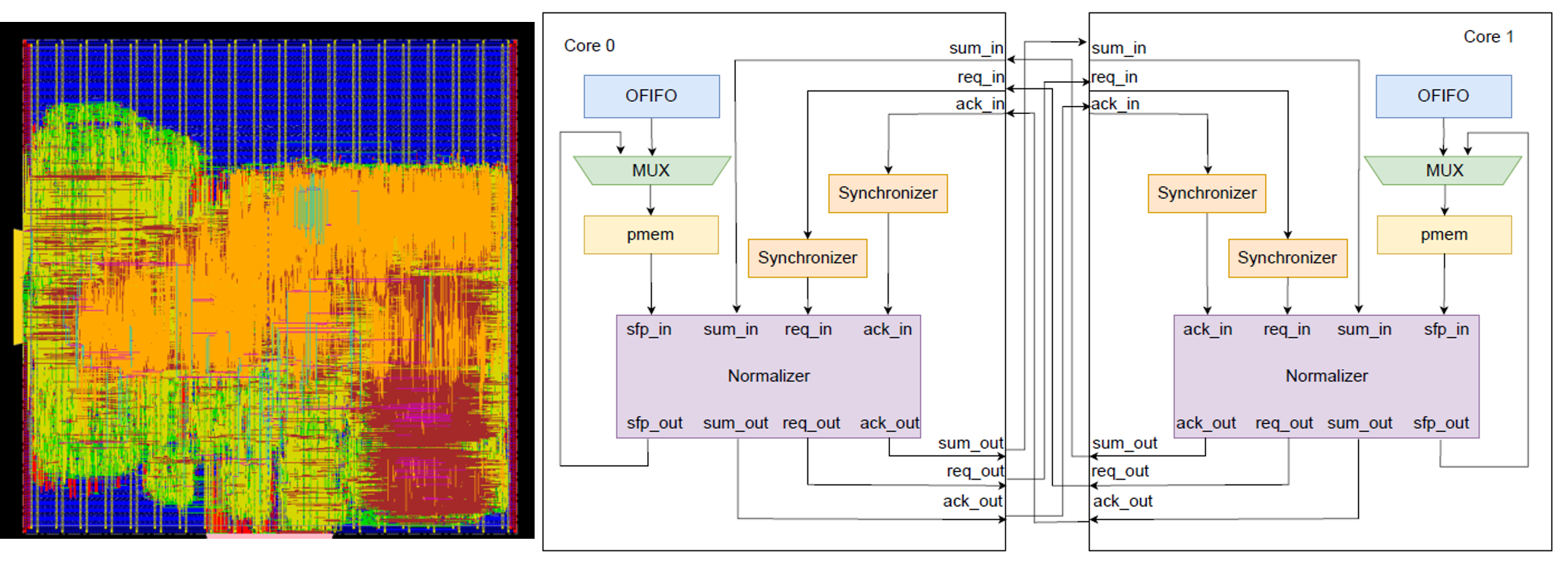
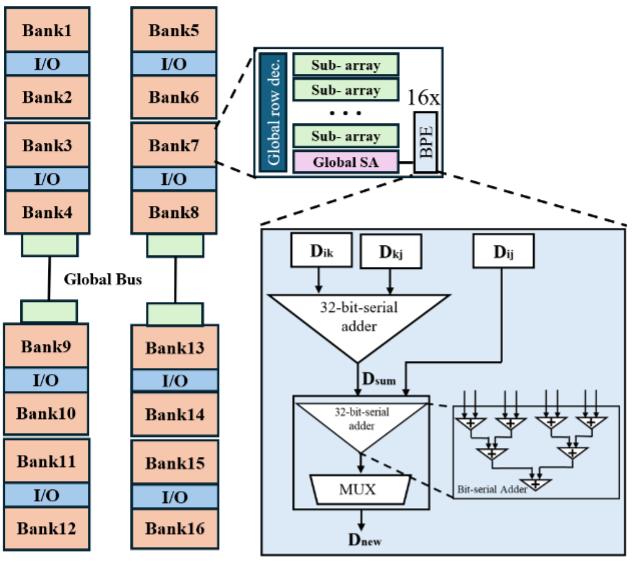
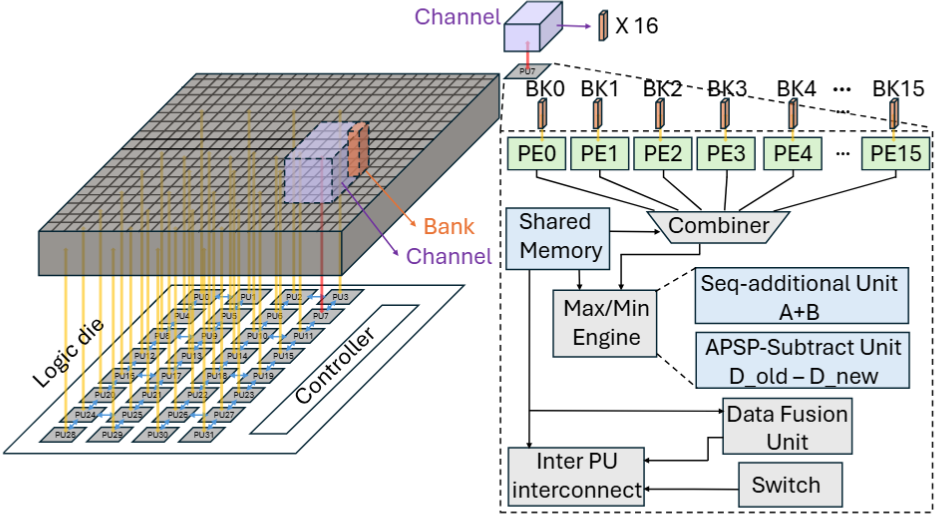
Background

Ph.D. in Electrical and Computer Engineering (ECE)
M.S. in Power Mechanical Engineering, GPA: 3.9/4.0
B.S. in Oral Hygiene
Work Experience
Process Engineer - 2021-2024 - Hsinchu, Taiwan
Jan. 2024 - Jun. 2024
- N2 RD BEOL process engineer.
- Optimized N2 front-end-of-line (FEOL) and middle-of-line (MEOL) process flow.
Nov. 2021 - Mar. 2024
- RD process engineer for N3/N2 operation.
- Spearheaded the N3/N3B MEOL CMP team, achieving a 10% yield enhancement.
- Reduced departmental costs by $3 million/month.
- Minimized CMP defects by 90%.
- Orchestrated CMP self-quality control measures.
- Designed and conducted experiments to validate CMP consumables changes.
- Developed experiments to extend the lifespan of CMP consumables.
Presentation
Publications
Journal Articles
An Integrated Microfluidic System for Cholangiocarcinoma Diagnosis from Bile by Using Specific Affinity Probes
Published in Sensors and Actuators B: Chemical, 2022
Development of an integrated microfluidic platform for rapid and accurate cholangiocarcinoma diagnosis using specific affinity probes.
Recommended citation: Tsung-Han Lu et al. (2022). "An Integrated Microfluidic System for Cholangiocarcinoma Diagnosis from Bile by Using Specific Affinity Probes." Sensors and Actuators B: Chemical.
Download Paper
Exfoliated Tumor Cells in Bile as a Promising Indicator of Disease Status in Cholangiocarcinoma
Published in Sensors and Actuators B: Chemical, 2021
Investigation of exfoliated tumor cells in bile as biomarkers for cholangiocarcinoma disease status assessment.
Recommended citation: Tsung-Han Lu. et al. (2021). "Exfoliated Tumor Cells in Bile as a Promising Indicator of Disease Status in Cholangiocarcinoma." Sensors and Actuators B: Chemical.
Download Paper
Conference Papers
An Integrated Microfluidic Platform for Cholangiocarcinoma Diagnosis from Clinical Bile Juice Samples by Utilizing Multiple Affinity Reagents
Published in Proceedings of 2020 IEEE 15th International Conference on Nano/Micro Engineered and Molecular System (NEMS), 2020
Conference presentation at IEEE NEMS 2020 on microfluidic platform development for cholangiocarcinoma diagnosis using affinity-based biomarker detection.
Recommended citation: Tsung-Han Lu et al. (2020). "An Integrated Microfluidic Platform for Cholangiocarcinoma Diagnosis from Clinical Bile Juice Samples by Utilizing Multiple Affinity Reagents." In Proceedings of the 2020 IEEE 15th International Conference on Nano/Micro Engineered and Molecular System (NEMS).
Download Paper
Thesis
An Integrated Microfluidic Platform for Cholangiocarcinoma Diagnosis from Clinical Bile by Utilizing Multiple Affinity Reagents
Published in National Tsing Hua University Electronic Theses and Dissertations System, 2021
Master thesis on developing an integrated microfluidic platform for cholangiocarcinoma diagnosis using multiple affinity-based reagents and biomarker detection.
Recommended citation: Tsung-Han Lu. (2021). "An Integrated Microfluidic Platform for Cholangiocarcinoma Diagnosis from Clinical Bile by Utilizing Multiple Affinity Reagents." Master's thesis, National Tsing Hua University.
Download Paper
Collaborations
I actively collaborate with:
- Professor Rob Knight’s group at UCSD - Bioinformatics and microbiome research
- Niema Moshiri - Computational biology and phylogenetics